Midwife Template
Infant Feeding and Tongue Ties Follow-up Assessment
A professional Midwife template for healthcare professionals.
About this template
Enhance your midwifery practice with our Infant Feeding and Tongue Ties Follow-up Assessment template. Designed for midwives and lactation consultants, this comprehensive tool helps accurately document follow-up visits for infants with feeding difficulties and tongue ties. Capture crucial details on current feeding status, previous interventions like frenotomy, physical examination findings, and develop a precise treatment plan. This template ensures thorough record-keeping for breastfeeding, bottle feeding, and pumping schedules, leading to better patient outcomes. Heidi, our AI medical scribe, intelligently populates this template from your consultations, ensuring no essential detail is missed from your patient's journey, from current concerns to specific follow-up instructions and referrals.
Preview template
Midwife's Note - Infant Feeding and Tongue Ties Follow-up Assessment
Follow up assessment:
Patient was last seen on 18 October 2024 for initial assessment of feeding difficulties and suspected tongue tie. The reason for this follow-up visit is to reassess the infant's feeding post-frenotomy and review the effectiveness of exercises. Since the last appointment, the patient's mother reports consistent adherence to the recommended suck training exercises and daily oral stretches. They have seen some improvement in latch depth and reduced nipple pain, but still experience occasional shallow latching and clicking sounds during feeds.
History of Present circumstances:
The infant, a 6-week-old female, continues to be primarily breastfed on demand. The mother reports feeds lasting approximately 20-30 minutes, occurring every 2-3 hours. While nipple pain has decreased significantly, the mother notes that the infant sometimes struggles to maintain a deep latch, leading to milk spilling from the sides of her mouth. There are still occasional clicking noises during feeds, and the mother feels the infant is not always getting a full feed, often falling asleep at the breast quickly. Weight gain has been steady since the frenotomy, but the mother remains concerned about the overall efficiency and comfort of feeding for both herself and the baby.
Previous Interventions:
The infant underwent a frenotomy on 20 October 2024 performed by a paediatric dentist. Post-procedure, the mother was instructed on a regimen of suck training exercises, including finger feeding with a syringe, and gentle oral stretches to prevent reattachment. She also saw a lactation consultant who provided guidance on different breastfeeding positions and latch techniques. The mother reports diligently performing these exercises three times daily and has adjusted her feeding positions as advised.
Current Feeding Assessment:
The infant is currently breastfed directly. Feeds occur approximately 8-10 times in 24 hours, lasting 20-30 minutes per side. The mother reports less pain during feeds but still experiences some discomfort with initial latch. Difficulty noted includes occasional shallow latch, audible clicking, and milk dribbling. Pumping schedule involves once daily in the morning, yielding approximately 60ml. No bottle feeding is currently occurring.
Current Concerns:
The mother's primary concerns are the persistence of occasional shallow latch and clicking during feeds, which makes her question the efficiency of milk transfer. She is also concerned about the infant's tendency to fall asleep quickly at the breast, despite appearing hungry shortly after. She hopes to achieve a consistently deep, pain-free latch and ensure her baby is receiving adequate nutrition efficiently during this appointment.
Physical Examination:
Oral cavity examination reveals a healing frenotomy site with no signs of infection or reattachment. Tongue mobility shows improved elevation and lateralisation compared to the previous assessment, though some restriction in full elevation is still noted. The frenulum appears lengthened, allowing for better extension of the tongue tip. Body position and movement during feeding observation showed good head alignment and trunk stability, but slight head retraction was observed during attempts at deeper latch. No abnormal tone was noted. Functional findings indicate improved ability to cup the nipple, but continued effort required for sustained suction.
Feeding Observation:
Observed a breastfeeding session. Initial latch was shallow, requiring mother to re-latch. Once latched, some audible clicking was present, and milk spillage around the corners of the mouth was noted periodically. Infant demonstrated strong sucking bursts initially, followed by more flutter sucking and then falling asleep after approximately 15 minutes on the first breast. Swallowing sounds were present but inconsistent in rhythm. Infant woke quickly and appeared to root again, indicating potential incomplete emptying.
Assessment:
Clinical assessment indicates significant improvement in tongue mobility and reduction in nipple pain post-frenotomy. However, residual challenges with optimal latch depth and sustained milk transfer suggest ongoing functional limitations, likely due to habituated suck patterns and possible minor persistent tongue tie restriction. The infant's growth is appropriate, but feeding efficiency could be further enhanced.
Plan:
1. Continue suck training exercises, focusing on wide mouth opening and sustained suction. Add specific exercises for lip flanging.
2. Recommend revisiting a lactation consultant for advanced latch techniques and positioning adjustments, specifically 'laid-back' feeding.
3. Introduce paced bottle feeding with expressed breast milk once daily to ensure adequate intake and practice deep latch, if mother is agreeable.
4. Refer to a paediatric physiotherapist for assessment of any cranial or neck tension contributing to head retraction during feeding.
5. Continue daily oral stretches, increasing frequency to 4-5 times daily.
6. Monitor wet and dirty nappies closely.
Follow-up:
Follow-up appointment scheduled for 15 November 2024 to reassess feeding progress and review exercises. Remote support via phone call or video consultation will be offered at weekly intervals to address any emerging concerns. The mother will be provided with contact details for a local breastfeeding support group for additional peer support.
How to use this template

Step 1
Download the template
Get started by downloading the template to your device

Step 2
Customize to your needs
Tailor the template to match your specific requirements
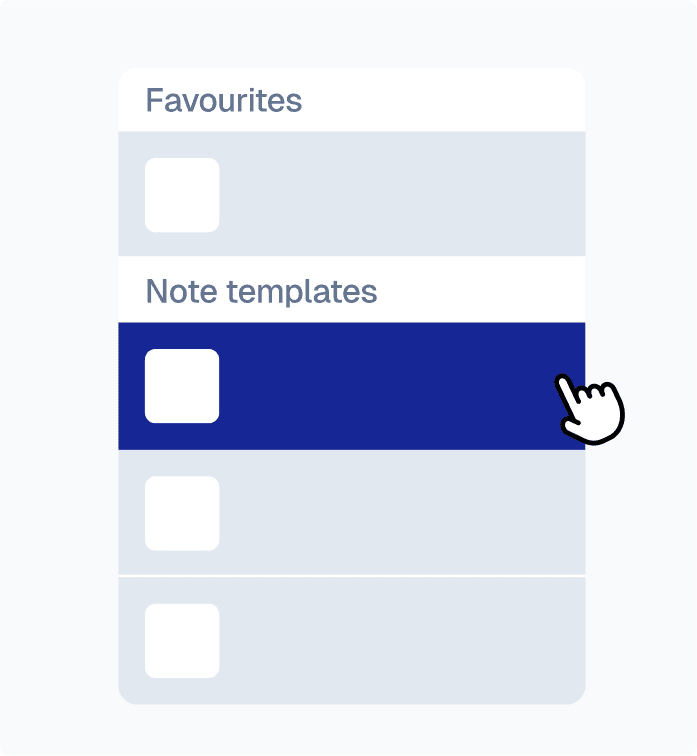
Step 3
Deploy and share
Implement your customized template and share with your team
Related Templates
Start practicing with a partner
Care is better with Heidi
Specialty
Midwife
Used
0 times
Type
Note
Last edited
10/6/2026
Created by
Leonie Bryan